Guiding Lights, Brighter Futures: A CSxFE26 Reflection

By Nikkie Baum, CSxFE Volunteer/Attendee; Community School Impact Coordinator, Marie Hughes Community Schools (Albuquerque, NM)

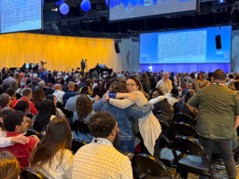
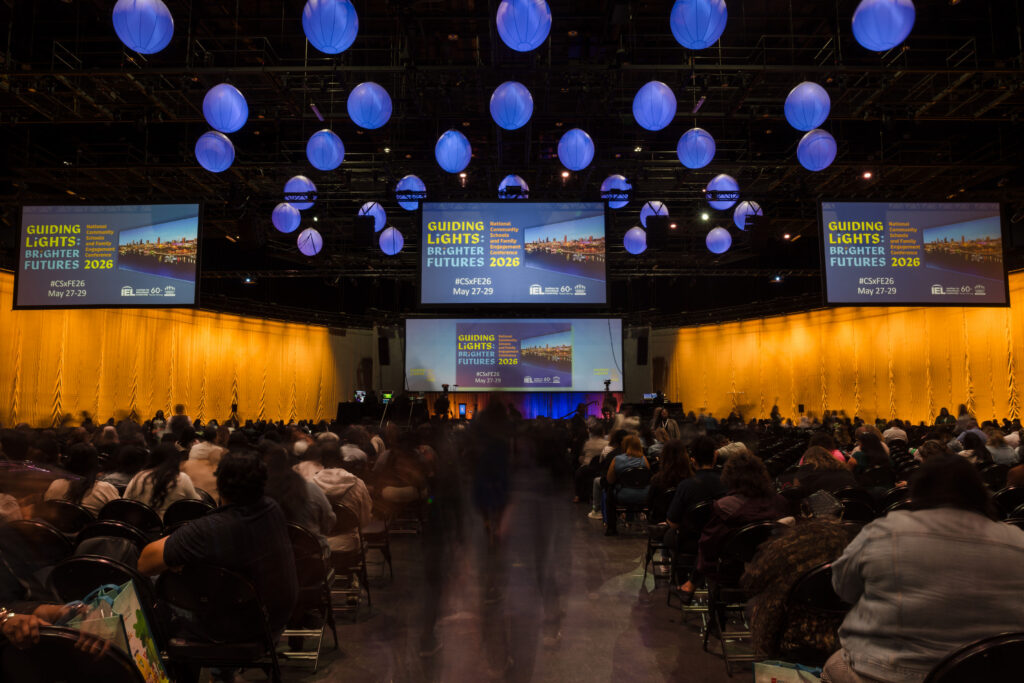
The forecast started off cloudy but the smiles inside the Long Beach Convention Center were shining brightly as attendees joined the start of the 2026 National Community Schools and Family Engagement Conference during the last week of May.

Powered by People

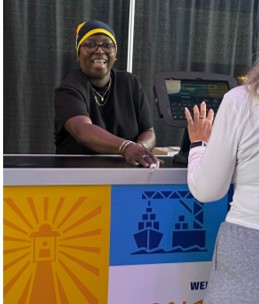
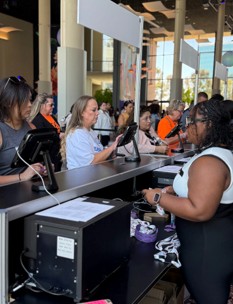
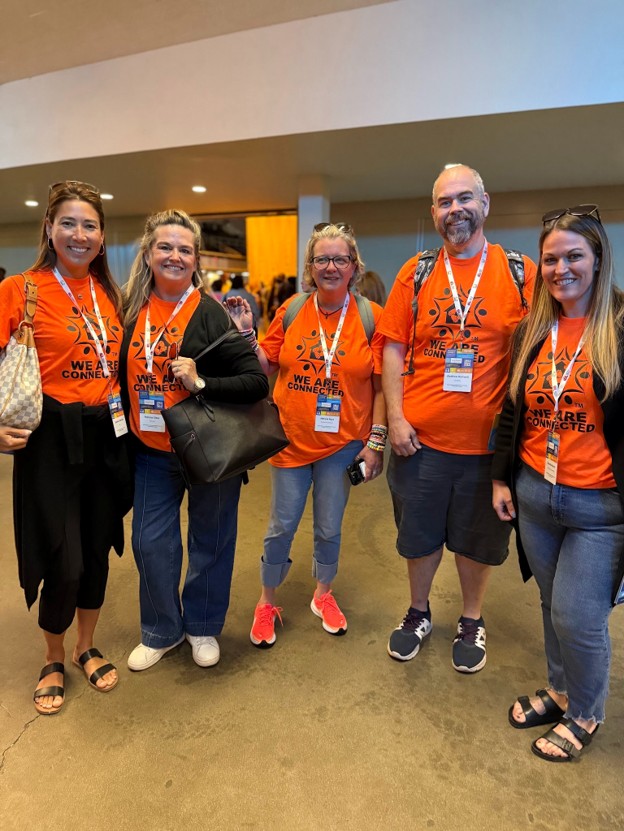
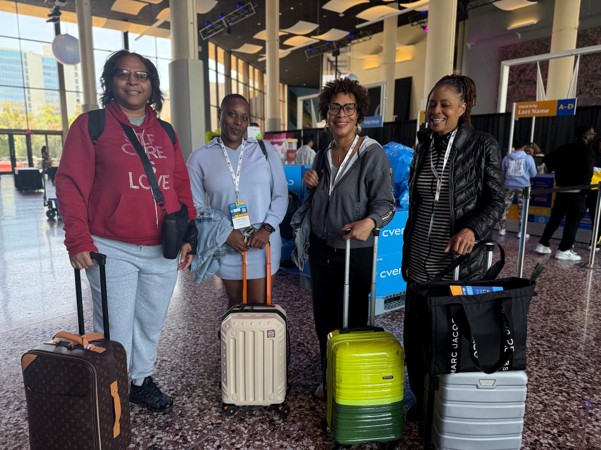
Before the official kickoff on May 27th, an incredible team of volunteers and the the IEL staff were already hard at work, helping with registration, putting up signs, checking in on breakout presenters, and handling all the small odds and ends and errands  behind the scenes.

Many hands truly make the work light, and this conference was strengthened because of each person who gave their time, energy, and heart to serve others.

Capturing the Culture of the Community 

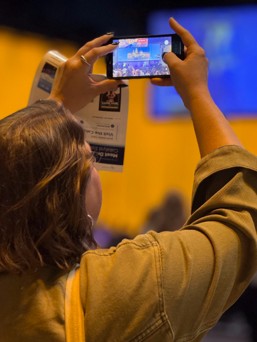
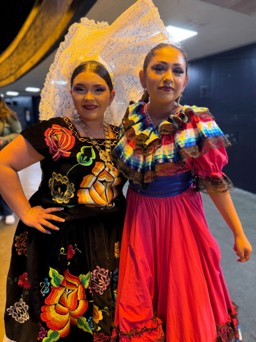
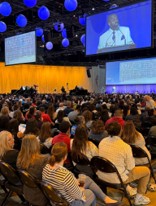
While attendees flowed into the opening plenary, they quickly found themselves immersed in a piece of the vibrant culture celebrated in Long Beach and across Southern California. They were warmly welcomed by Macondo Ballet Folklorico, whose performance created a beautiful opportunity to honor and share the rich local culture, traditions, and spirit of community that make this region so special.

Hugs, High Fives, and Handshakes 

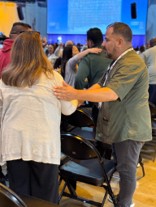
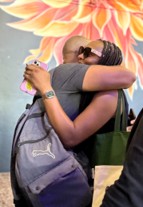
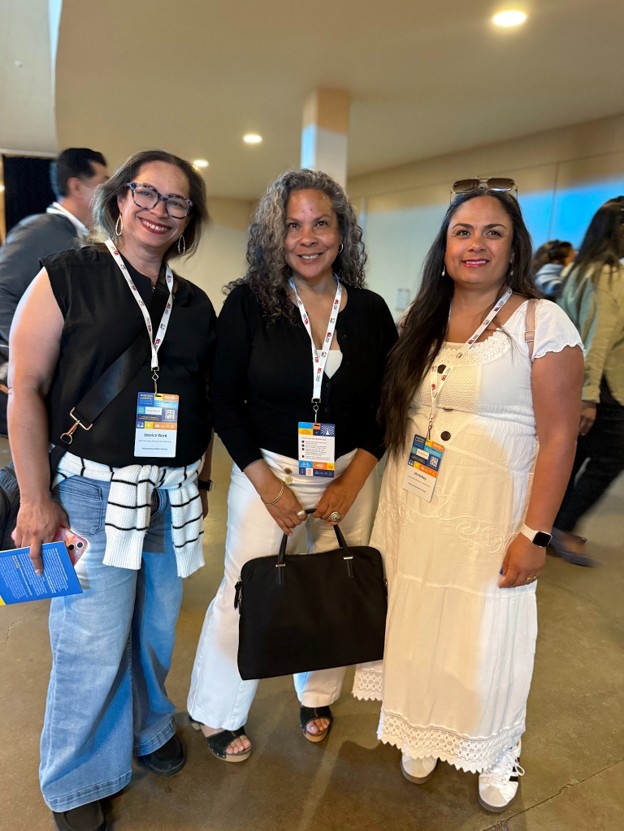
The Long Beach “vibe” extended far beyond the ocean breeze and sunshine at the conference this year. Early on, IEL interim president Kwesi Rollins encouraged participants to greet one another with a hug, a simple gesture that quickly set the tone for collaboration, connection, and belonging. In many ways, that invitation reflected the very heart of Community Schools and Family Engagement work: people first and relationships first, and thriving communities built together.

As attendees gathered to learn, network, and dream together, they were reminded that community connection is not just something we build for students and families, it is something we must also model with one another. Sometimes the most meaningful parts of our work are found in the smallest gestures: hugs, handshakes, and high fives.

A hug may begin as a hello or goodbye, but in this work it often means much more. It is the embrace shared with a grandmother raising three grandchildren after receiving clothing, food, or support that helps lighten the load she carries every day. It is the hug from a parent who finally feels heard after years of searching for a true shared voice within their school community.

A high five becomes more than celebration. It is encouragement exchanged between educators, coordinators, families, and students who are pressing forward together. It is the excitement when partnerships align, resources connect to real needs, and classroom learning becomes deeply connected to community. It is the moment when student engagement clicks and you can almost see the light bulbs turning on.

And a handshake. Simple, steady, and intentional that reflects mutual respect, trust, and shared determination. It represents the agreement that this work matters and that none of us can do it alone.

When attendees traveled home after Long Beach to return home to our collective schools and communities, perhaps the question is not simply what we they learned at the conference, but how we carry these gestures with us. How will we continue creating spaces where people feel welcomed, valued, celebrated, and supported?

Family Engagement is Key for the Strategy

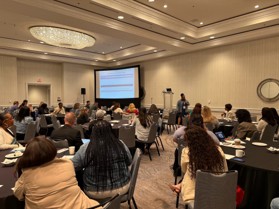
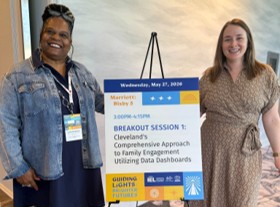
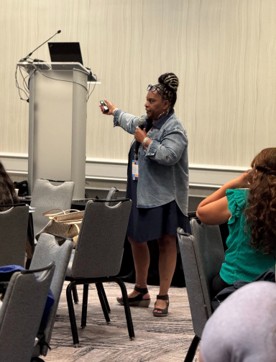
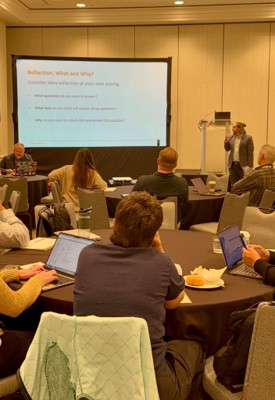
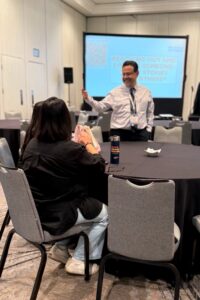
One of the many powerful breakout sessions at the conference highlighted the work of the Cleveland Metropolitan School District and their intentional approach to Family Engagement through collaboration, transparency, and data-driven decision making. Led by Carla Hempstead, participants explored how Family Engagement can move beyond isolated events and become deeply embedded into school improvement efforts. 

A key takeaway centered around making data usable, accessible and regularly shared with stakeholders. Hempstead emphasized transparency and collaboration through ongoing reporting throughout the year, creating accountability within the process while also strengthening relationships between district leadership, schools, teachers, and families. Their approach highlighted the importance of “data from the ground up,” ensuring that schools and communities help identify priorities and solutions together rather than simply receiving top-down directives.

The district shared how tools such as the “Five Whys” root cause analysis process help teams identify barriers that are often within their locus of control. This reflective process allows schools and families to move from surface level challenges toward deeper understanding and actionable change. 

One of the strongest themes throughout the session was that authentic Family Engagement happens when districts align strategies alongside schools rather than imposing agendas onto them. When leadership pushes initiatives without collaboration, tension often follows. However, when schools, families, and district leaders work together around shared goals, meaningful support and collective action can truly take place. 

The session also challenged participants to think about “low-hanging fruit” opportunities for engagement. Events such as conferences, open houses, and other routine school gatherings can intentionally build deeper partnerships around these existing touch points. Even simple opportunities can become meaningful when families feel welcomed, valued, and included in the learning process. 

Workshop participants were reminded of Dr. Karen Mapp’s quote, “Family Engagement is not the goal, it is a strategy to help you reach your goal.”

One participant shared on how engagement should not live in a single initiative but be truly woven through every pillar or key practice of Community Schools.  Family Engagement is community-connected classrooms. It is integrated systems of support and wellness. It is collaborative leadership. When barriers to engagement are reduced, schools begin building stronger communities, stronger families, and stronger students which ultimately  create conditions where academic achievement and life changing future ready skills flourish together.   

The session also highlighted the Harvard Graduate School of Education Family Engagement in Education Institute led alongside Dr. Karen Mapp, with a special opportunity for members of the IEL network to receive a discount for this July’s institute.

Changing Systems Through Stories

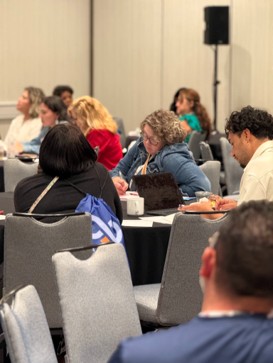
The “Raising a Data Barn: Stories and Results from Wayne County Community Schools Evaluation Team” breakout session reminded participants that strong Community School work requires more than collecting data. It requires building the right systems, relationships, and shared commitment to use that data well. Wayne County’s Community Schools Evaluation Team shared how collaborative data infrastructure can advance equity, especially in rural communities where barriers can feel even greater.

Participant Emma Leff from Illinois reflected on the importance of district buy-in and creating approaches that reduce barriers within student information systems. When districts, schools, partners, and state systems are better aligned, data becomes more than a reporting tool – it becomes a practical tool for action, shared accountability, and meaningful change.

Bringing it together at the Block Party

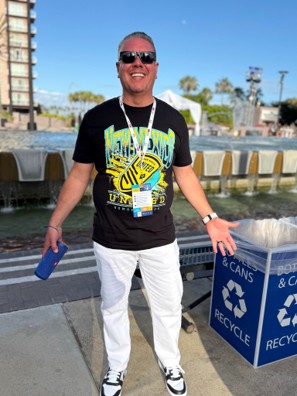
Music, ping pong, great food, and networking were at the heart of the CSxFE26 Block Party. As participants gathered around delicious tacos and soul food favorites like mac and cheese, the plaza filled with voices introducing themselves, sharing where they were from, and building connections across communities.

Legends, Practitioners, and Exhibitors, Oh My!

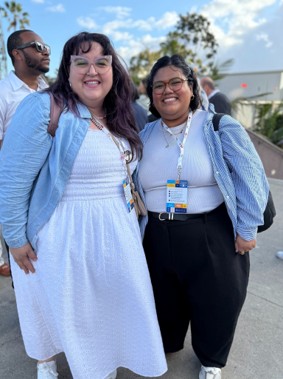
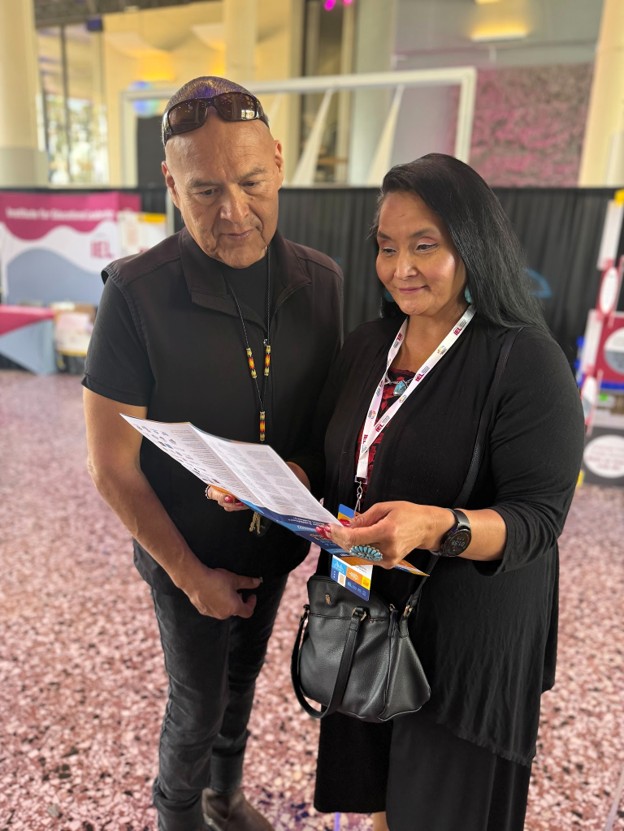
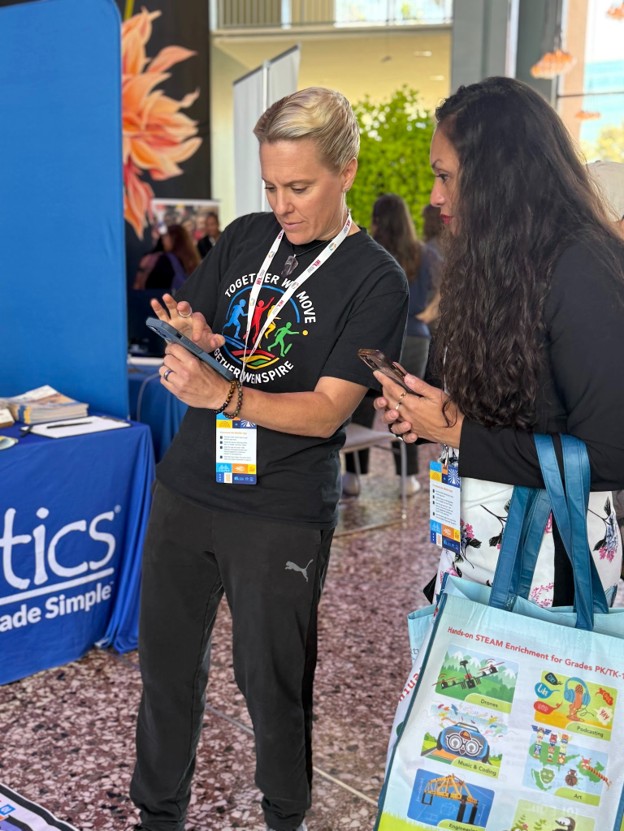
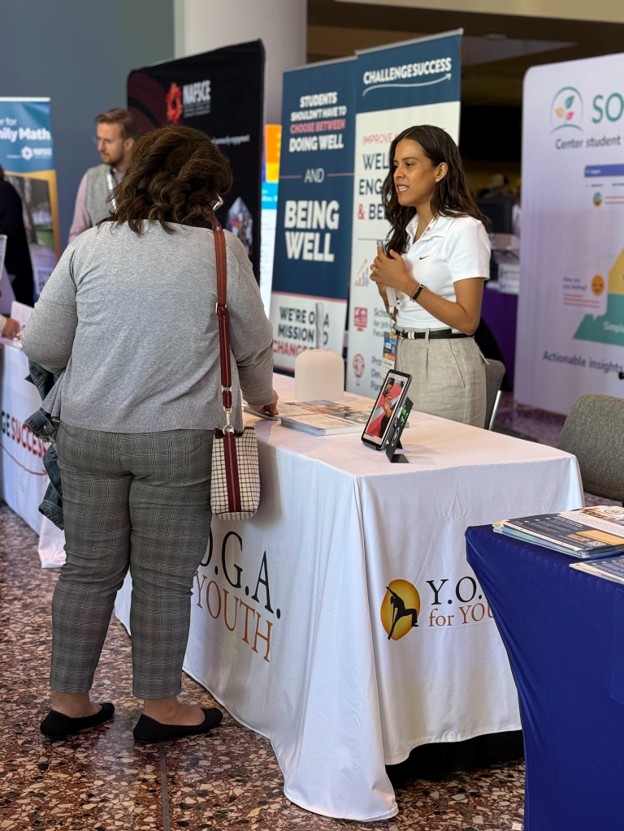
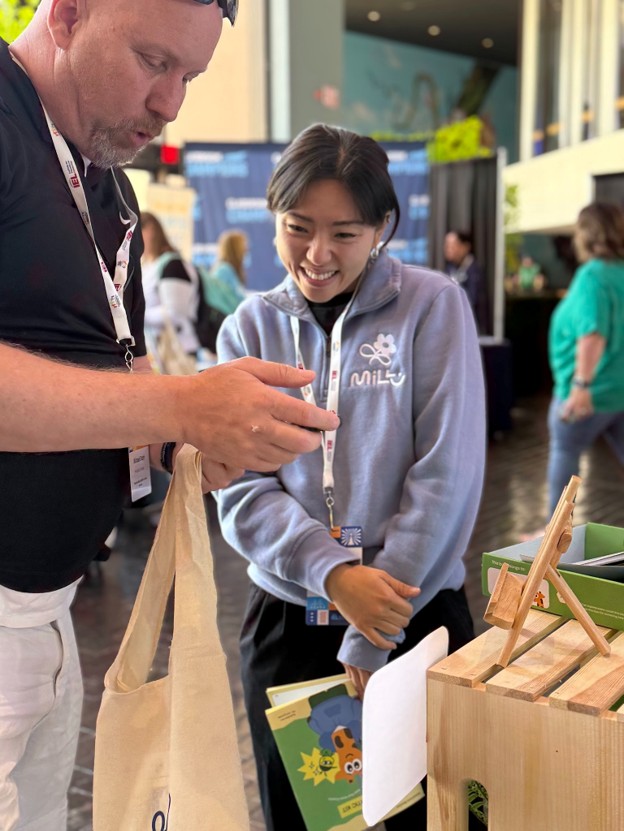
During CSxFE26, Long Beach became a gathering place for some of the most passionate champions of Community Schools and Family Engagement. Throughout the conference, legends in the field, dedicated practitioners, researchers, partners, family members, and exhibitors came together in one space to learn from one another, share stories, celebrate successes, and tackle challenges collectively.

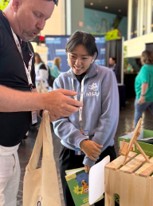
For four days, the hallways, breakout rooms, and gathering spaces were filled with conversations that sparked new ideas and strengthened existing relationships. Leaders shared wisdom, practitioners exchanged real-world strategies from their schools and communities, family members shared what matters to them, and exhibitors introduced resources, tools, and partnerships that can help advance this work back home.

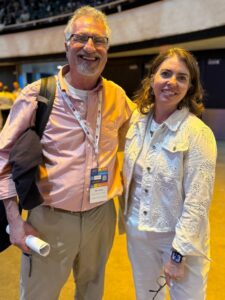
What makes CSxFE26 special is not just the sessions themselves, but the opportunity to bring together people from across the country who are united by a common belief: that students, families, and communities thrive when we work together. Whether reconnecting with longtime colleagues or meeting someone new over coffee, every conversation has the potential to inspire the next idea, partnership, or solution.

There is something powerful about gathering so many voices, perspectives, and experiences in one place. Over those four days in Long Beach, we were reminded that while our communities may be miles apart, we are all part of a larger movement committed to creating opportunities and brighter futures for children and families.

Scroll to Top